Space
Places to practice, fabricate, exhibit, perform, teach and gather without pretending every activity needs a permanent building.
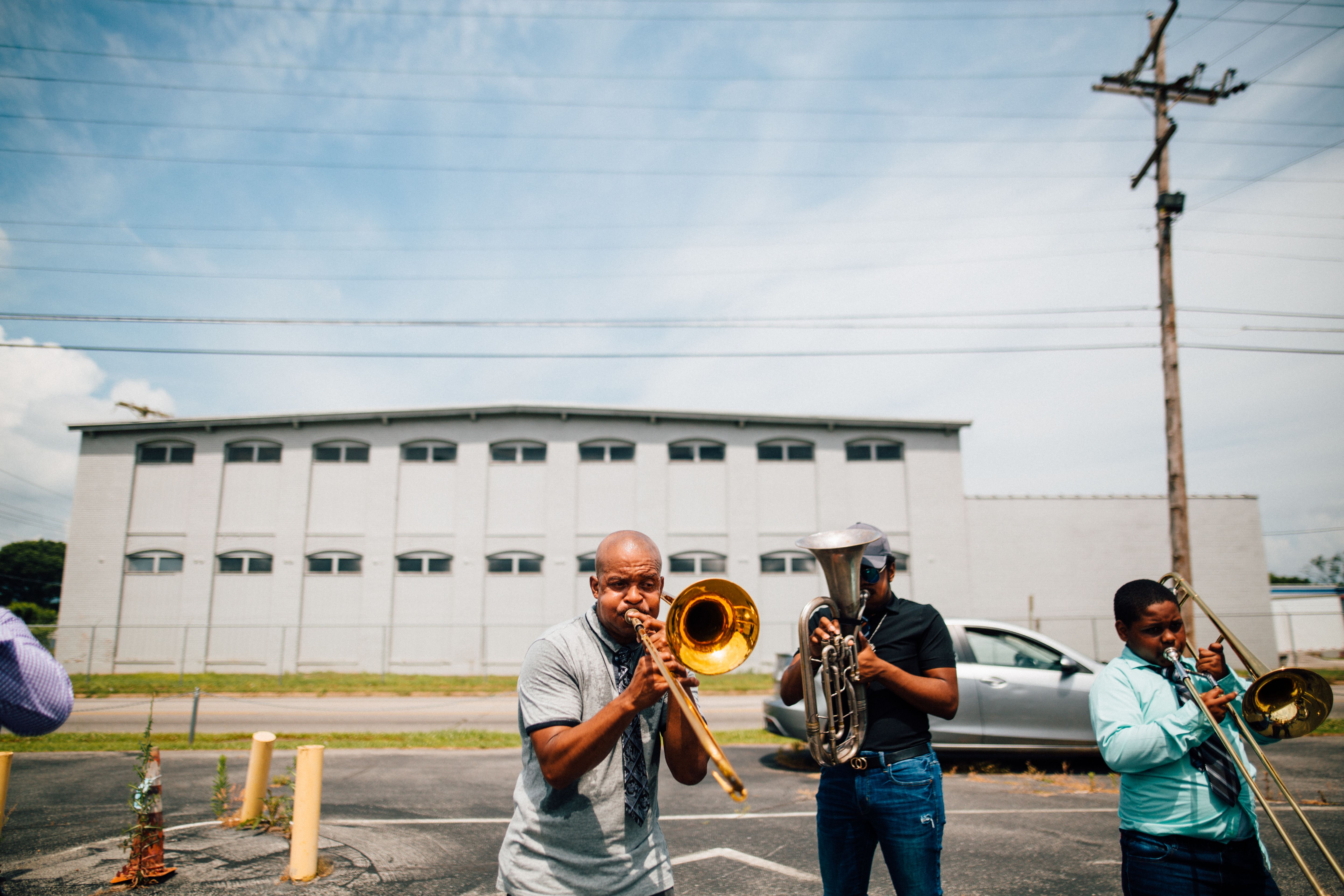
SCAMP Austin · Art and music belong in public
Austin does not remain creative by remembering when it was. It remains creative by leaving room for people to make, rehearse, perform, print, paint, gather and surprise one another.
Artists, musicians and creative neighbors should help shape public space before every useful corner has already been assigned.
Before the final coat of paint
Creative people understand how space becomes an invitation—or a warning. They see acoustics, surfaces, visibility, movement, gathering and possibility before those things have names in a capital plan.
SCAMP wants artists and musicians involved while locations, budgets, schedules and operating assumptions can still change.
That does not mean every park becomes a stage or every wall becomes a mural. It means Austin's creative life is considered as a legitimate public use rather than an ornamental afterthought.
Creative people are not the final coat of paint. They are part of how a place learns what it can become.
Culture is infrastructure
It creates relationships, identity, informal mentorship, local commerce and reasons for people to remain in public with one another. Those outcomes are not decorative. They are part of what makes a place socially useful.
What creative life needs
Austin's next generation of culture will not appear because a slogan tells it to. It needs practical places, workable rules and enough economic oxygen to begin.
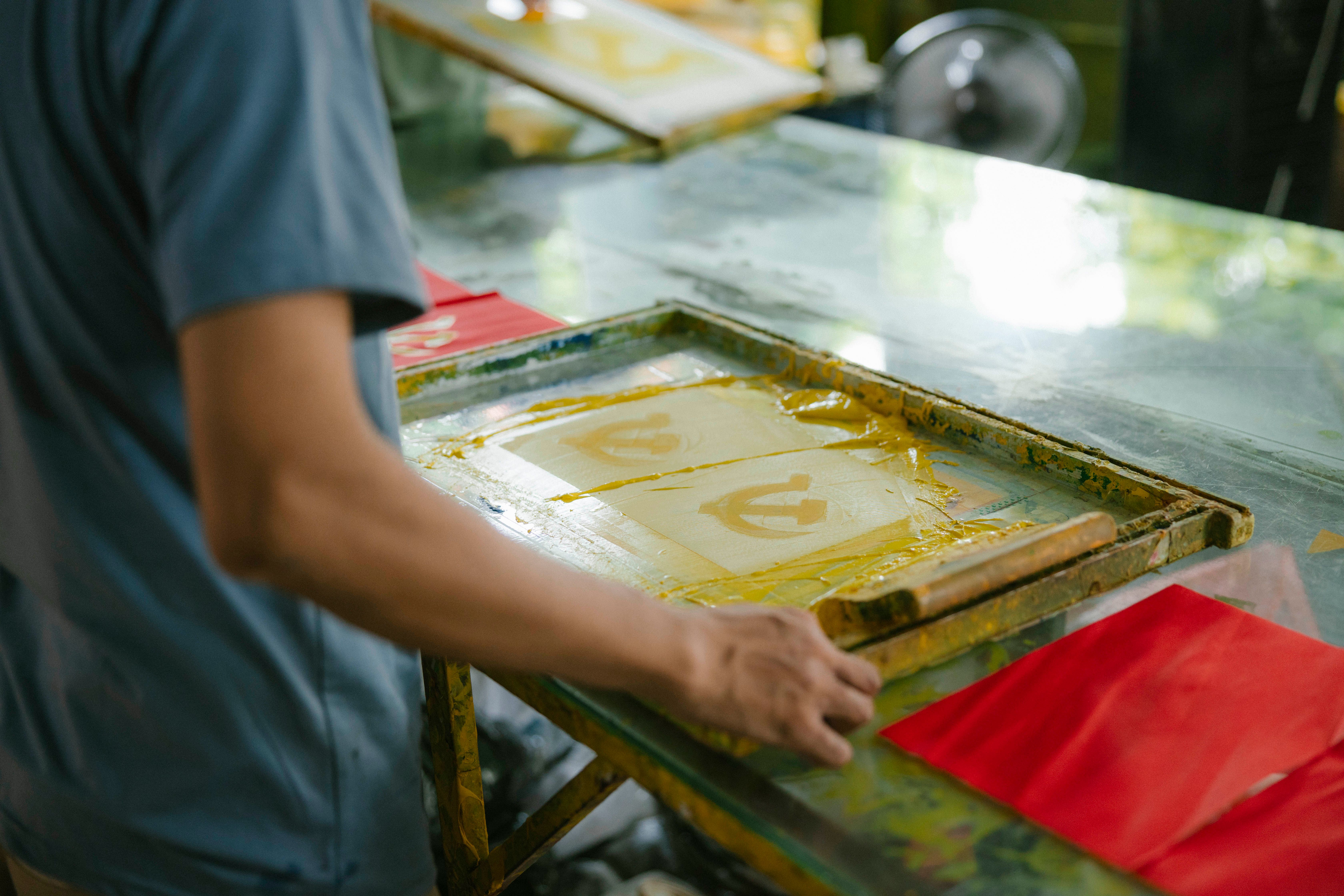
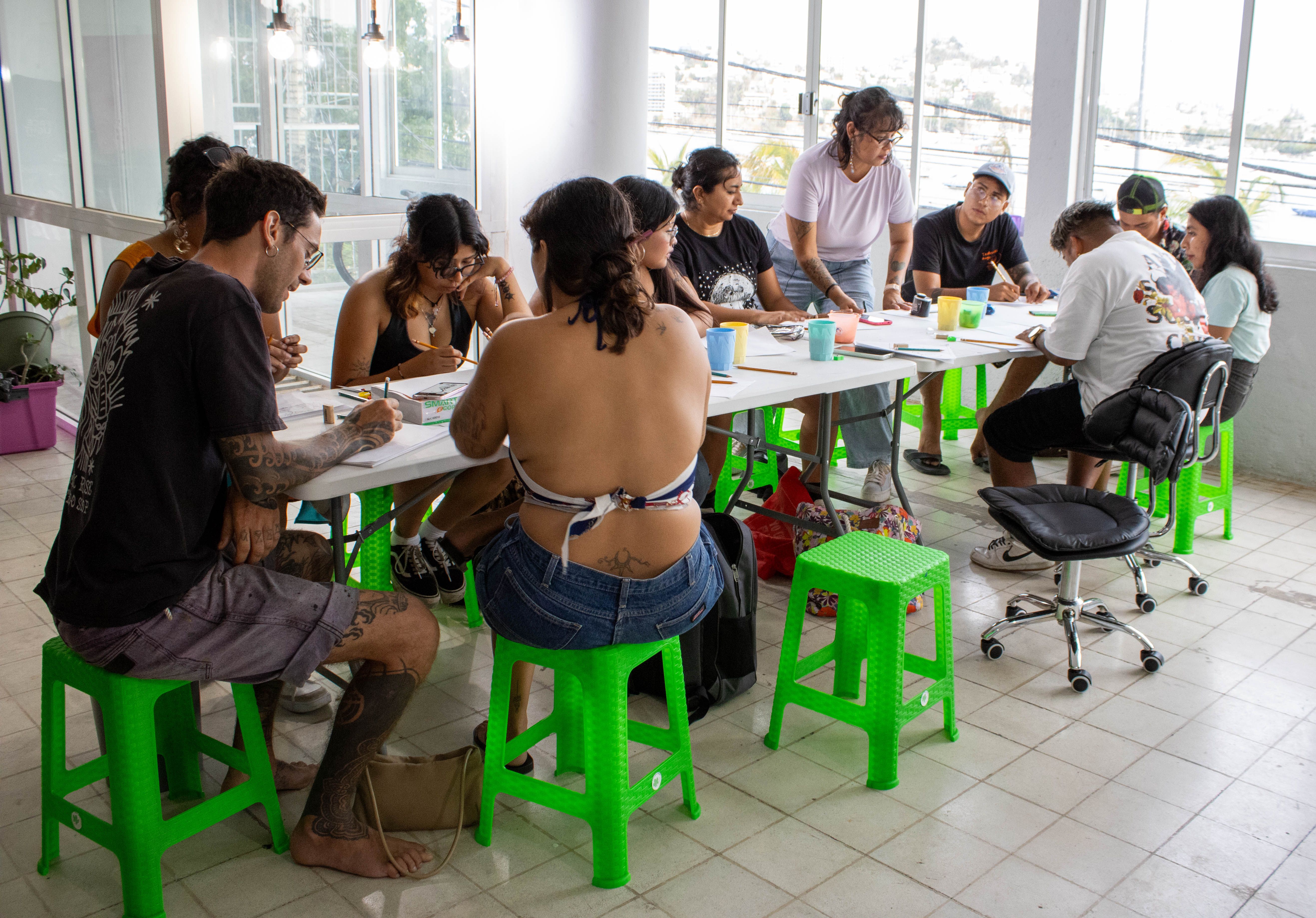
Places to practice, fabricate, exhibit, perform, teach and gather without pretending every activity needs a permanent building.
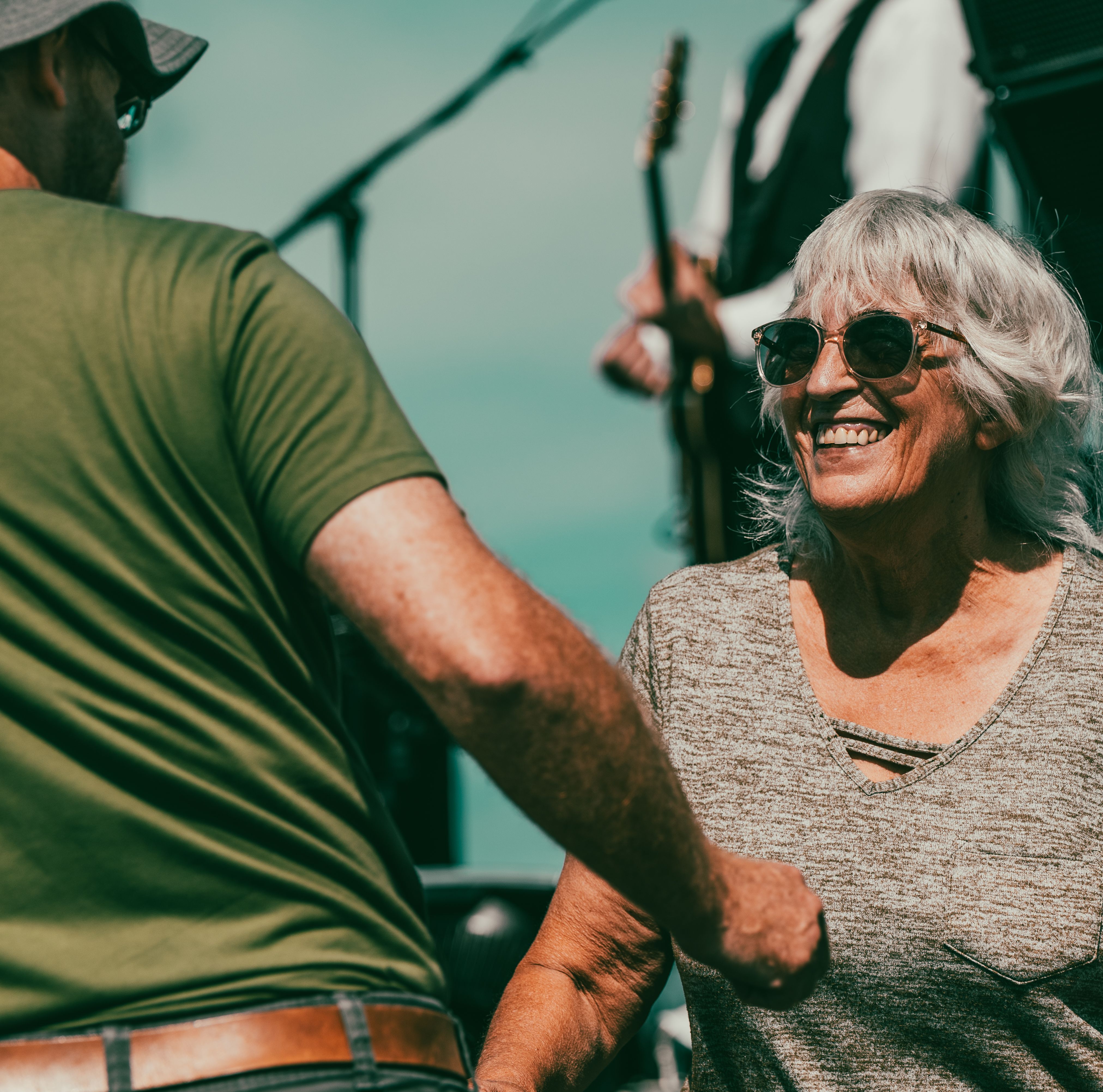
Acoustic planning, reasonable hours and design choices that let music coexist with surrounding uses.
Walls, floors, edges, shade structures and temporary installations designed with creative use in mind.
Electricity, lighting, connectivity and secure storage where programming is expected to happen.
Rules that distinguish manageable activity from actual harm instead of making informal culture functionally impossible.
Calendars that leave room for rehearsal, experimentation, youth programming and events that begin small.
Opportunities for artists, musicians, vendors and teachers to earn income—not merely donate atmosphere.
People, maintenance and operating agreements capable of keeping creative space useful after opening day.
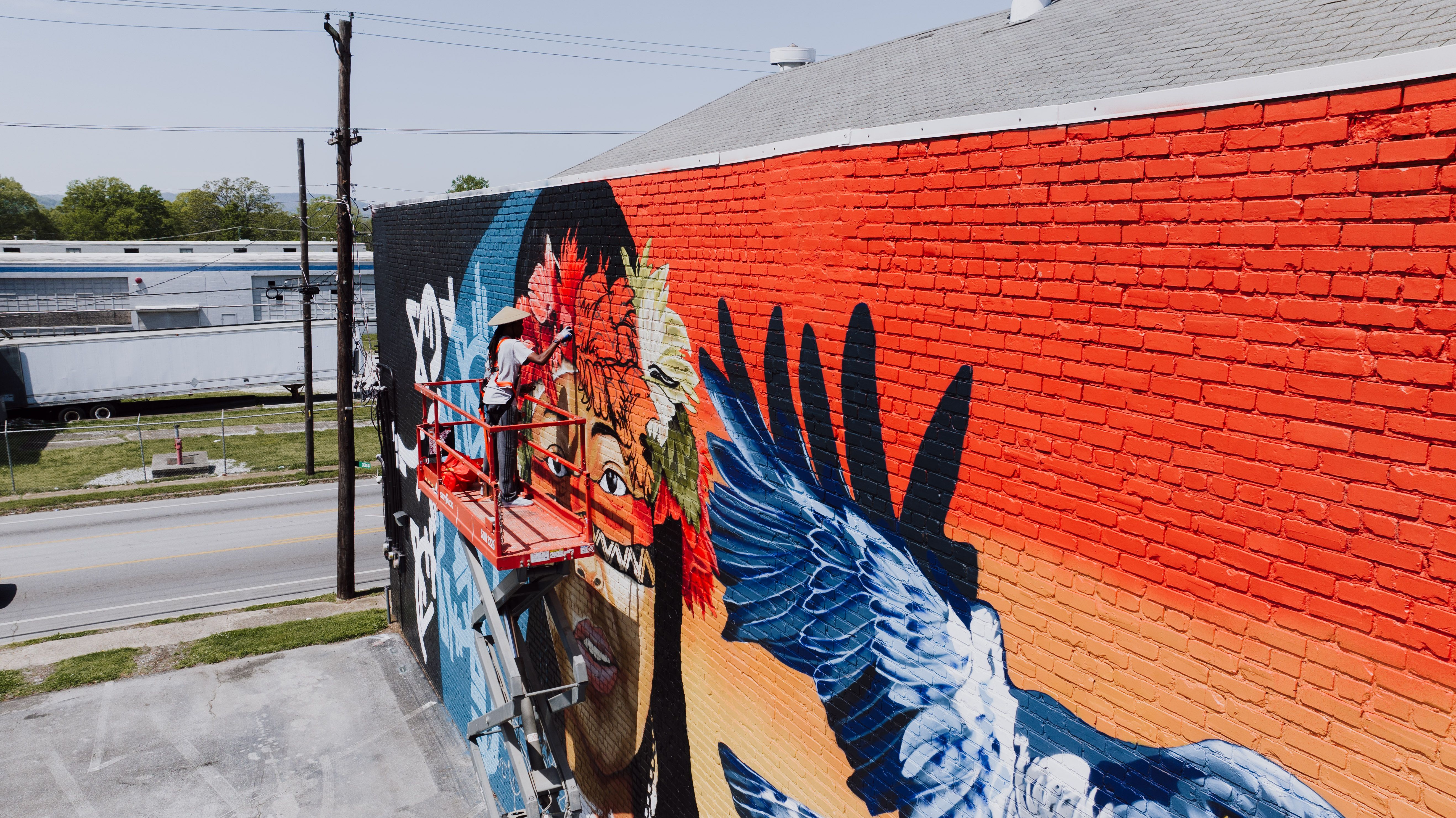
Room to make
A city can celebrate artists while steadily eliminating the places where they work. Compliments do not replace square footage.
Public projects can help by recognizing the complete creative ecosystem: informal makers, working artists, teachers, fabricators, performers, audiences, venues and the small businesses around them.
More than something to look at
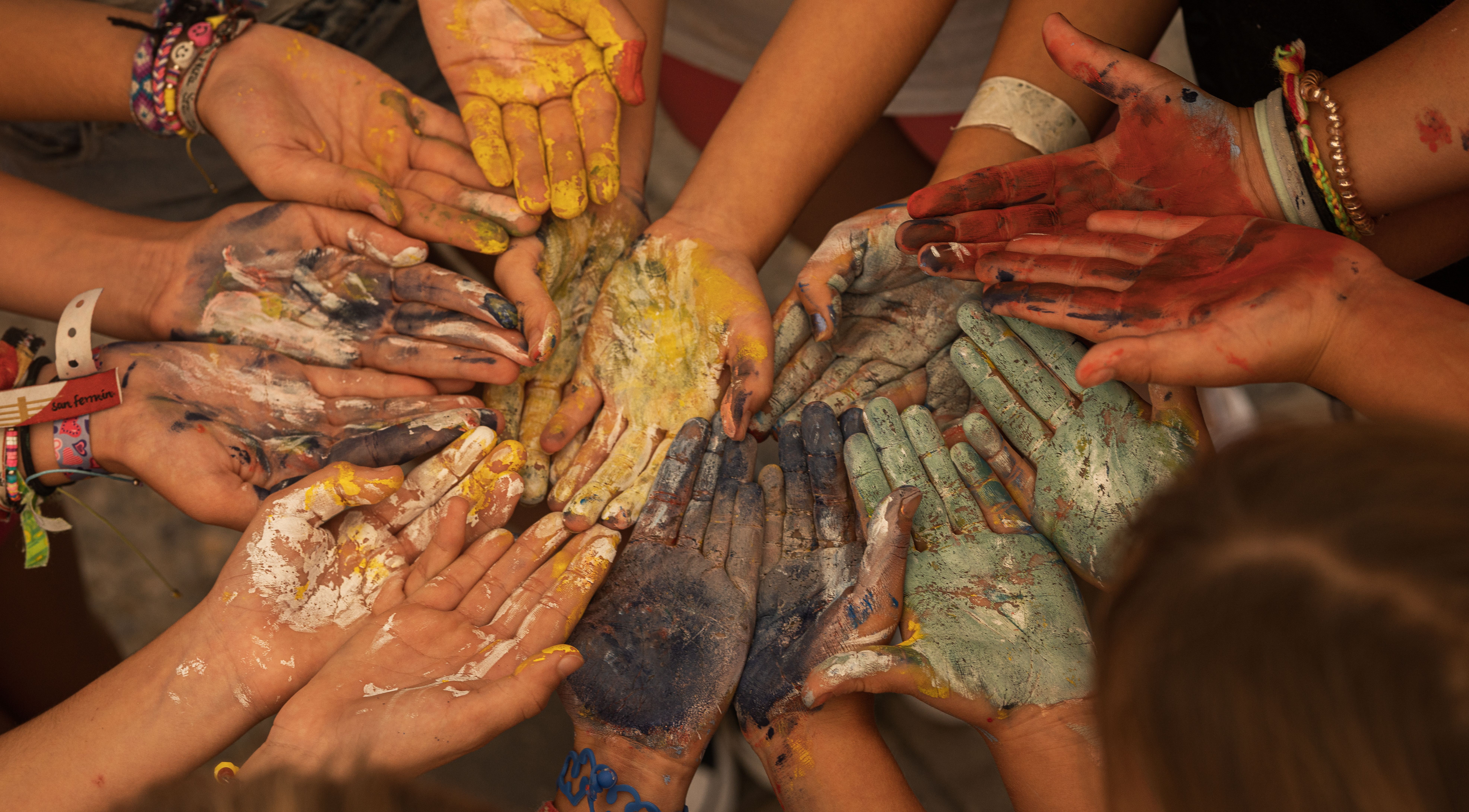
A commissioned object can be beautiful. So can the process of neighbors making, learning and discovering what they can do together.
Participatory work creates different kinds of value: skills pass between generations, strangers become collaborators, a place acquires stories and creative people become visible to one another.
The goal is not to choose between professional excellence and public participation. It is to create more than one legitimate doorway into Austin's creative life.
The creative ecosystem
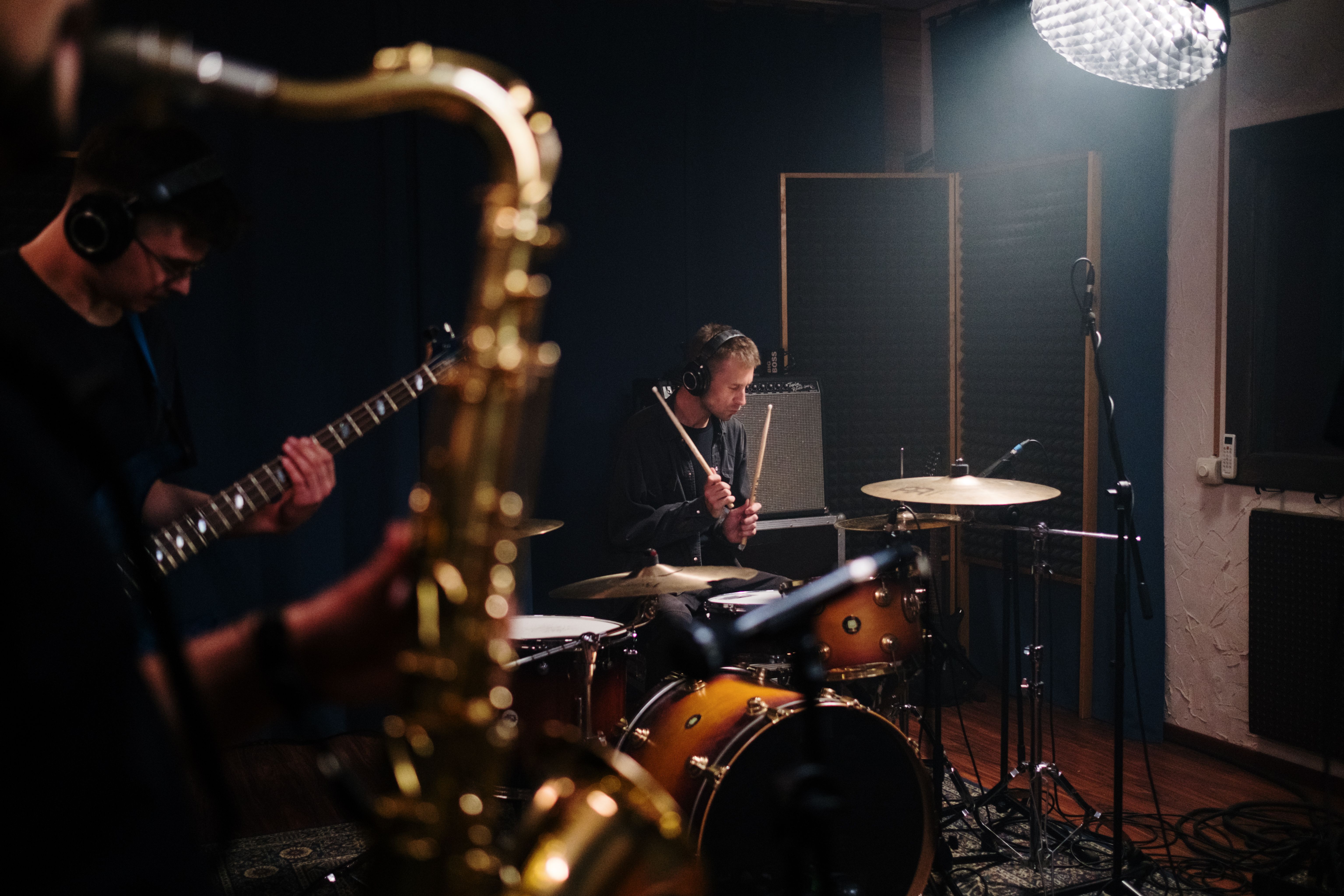
Before a song reaches a stage or an image reaches a wall, people rehearse, print, teach, fabricate, organize, promote, repair equipment and take chances together.
Healthy public culture makes room for that entire chain—and welcomes people across ages, disciplines, incomes and levels of experience.
Built to Last
Popular programming creates maintenance, staffing, scheduling, sound, sanitation and transportation needs. Those are signs of use—not excuses to abandon the work.
Creative space needs a whole-life operating model capable of protecting public value when enthusiasm, budgets and political attention change.
Austin starting points
These City of Austin programs and public bodies provide useful paths into funding, creative-space preservation, public art and civic participation. SCAMP's role is to help connect those tools with broader public-space collaboration.
I make art or music
You do not need institutional credentials or a finished proposal. Bring your practice, your experience of Austin, the barriers you keep encountering, the places that already work—or the overlooked opportunity you cannot stop seeing.
SCAMP wants help identifying projects, informing design, improving public process and building collaborations among artists, musicians, neighbors, property owners, organizations and public agencies.
This page is an invitation, not a declaration that we have the answer.
If the framing misses something important—or if there is somebody SCAMP should be listening to—email [email protected].