Fiscal durability
Count acquisition, operations, maintenance, repair, replacement and eventual adaptation—not merely the amount required to open.
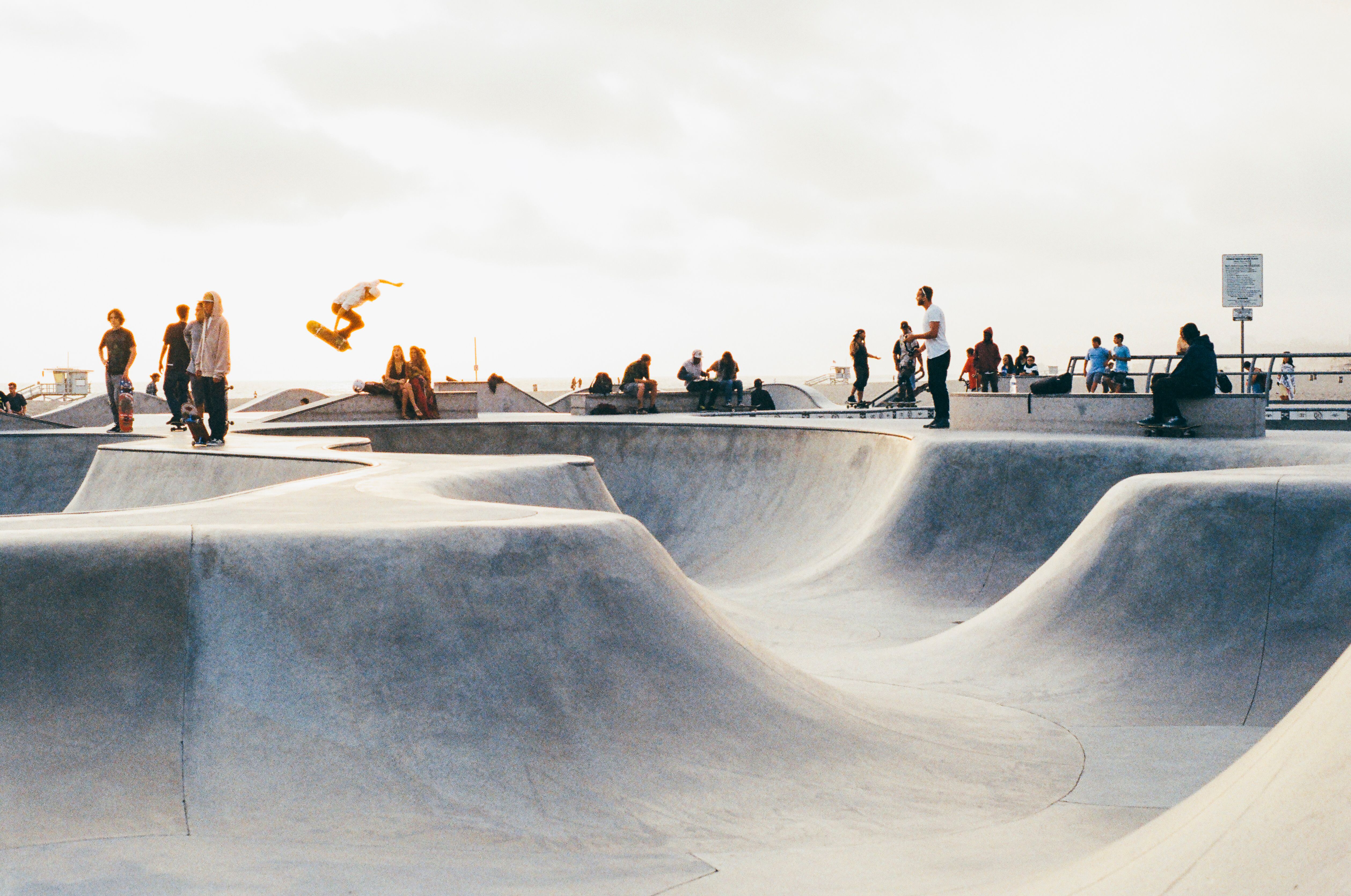
SCAMP Austin · Built to Last
A public place has not succeeded because it opened. It succeeds when people can still use it, maintain it, trust it and recognize themselves in it a generation later.
A durability doctrine
Capital funding can build an amenity. It cannot guarantee inspections, cleaning, repairs, programming, shade, safety or relevance. Those require a stewardship model—and that model belongs in the project before the concrete is poured.
The purpose should endure. The operating model must evolve.
A private-sector lesson for public work
Jim Collins and Jerry Porras used Built to Last to examine organizations that preserved a durable purpose while changing the practices used to fulfill it. Public infrastructure deserves the same distinction. We should not freeze a facility in time. We should protect its purpose while giving its stewards room to adapt.
Count acquisition, operations, maintenance, repair, replacement and eventual adaptation—not merely the amount required to open.
Choose materials, drainage, shade, landscaping and details that can tolerate real use and be repaired without rebuilding the entire place.
Define who inspects, cleans, programs, communicates, measures and responds when the place is crowded—or temporarily quiet.
Keep the users, neighbors and local culture close enough to the work that the place can remain useful as the city changes.
Whole-life cost
In civic work, total cost of ownership is generational. Maintenance budgets are not eternal, political priorities change and deferred care compounds.
Built to Last means comparing alternatives by what they will demand across their useful lives. A cheaper material that fails early is not cheaper. A design with no inspection access is not efficient. A successful place with no crowding plan is not finished.
Shared stewardship
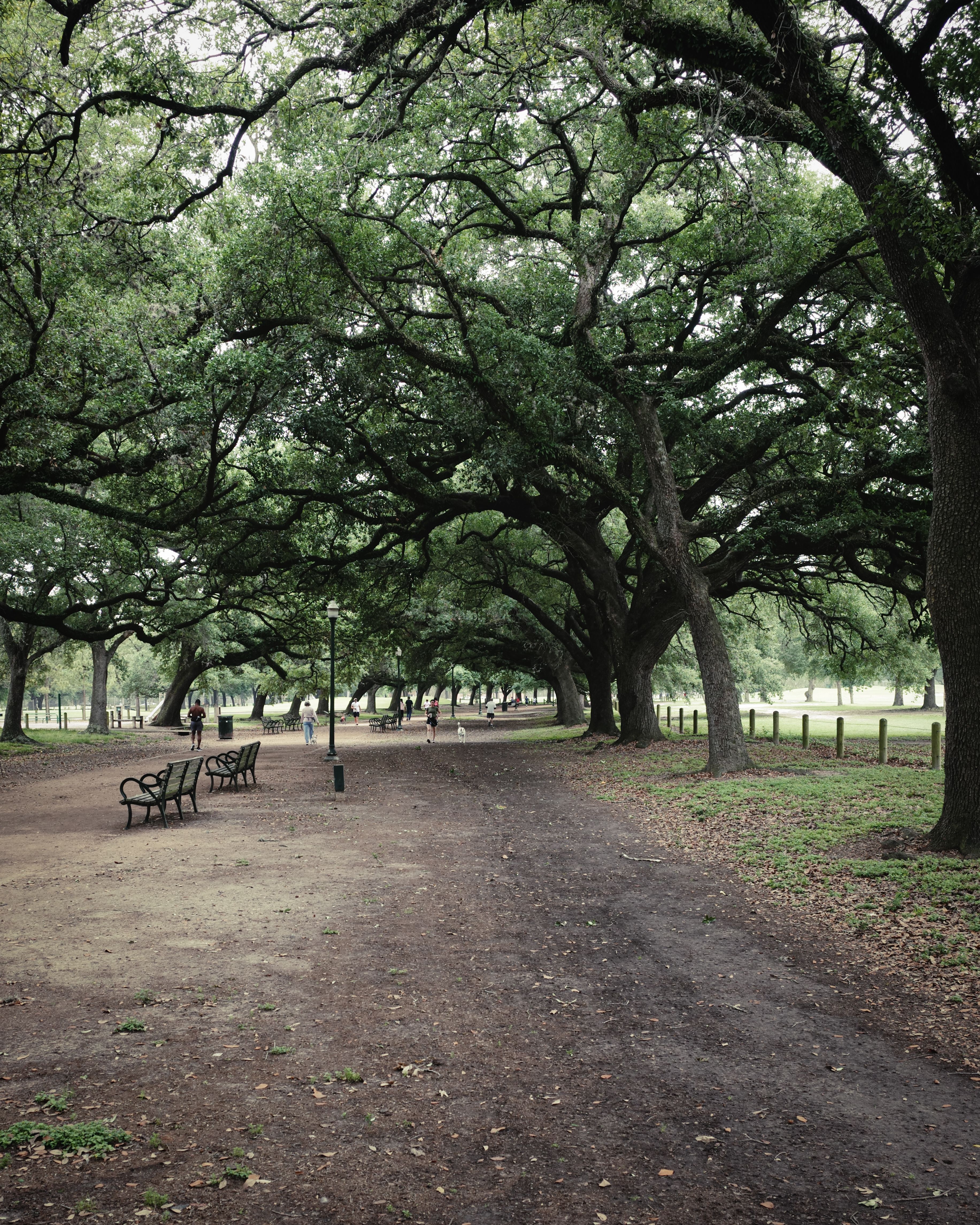
Cities remain essential. So do foundations, businesses, nonprofit partners, neighborhood stewards, event producers and the people who use the place.
Austin Parks Foundation already demonstrates how volunteerism, programming, advocacy and financial support can help close public-resource gaps. Portland Parks Foundation offers another durable precedent for philanthropic partnership. The lesson is not that government walks away. The lesson is that stewardship becomes stronger when responsibility is organized rather than assumed.
Land, planning, core operations and accountable public ownership.
Sponsorship, expertise, construction support and tested operating ideas.
Grants, gifts, targeted improvements and protected renewal funds.
Appropriate events, instruction, concessions or programming that serves the mission.
Volunteer care, user feedback, cultural knowledge and early warning when something stops working.
Crime prevention through environmental design
Safety should be designed into the site—not improvised after the first incident.
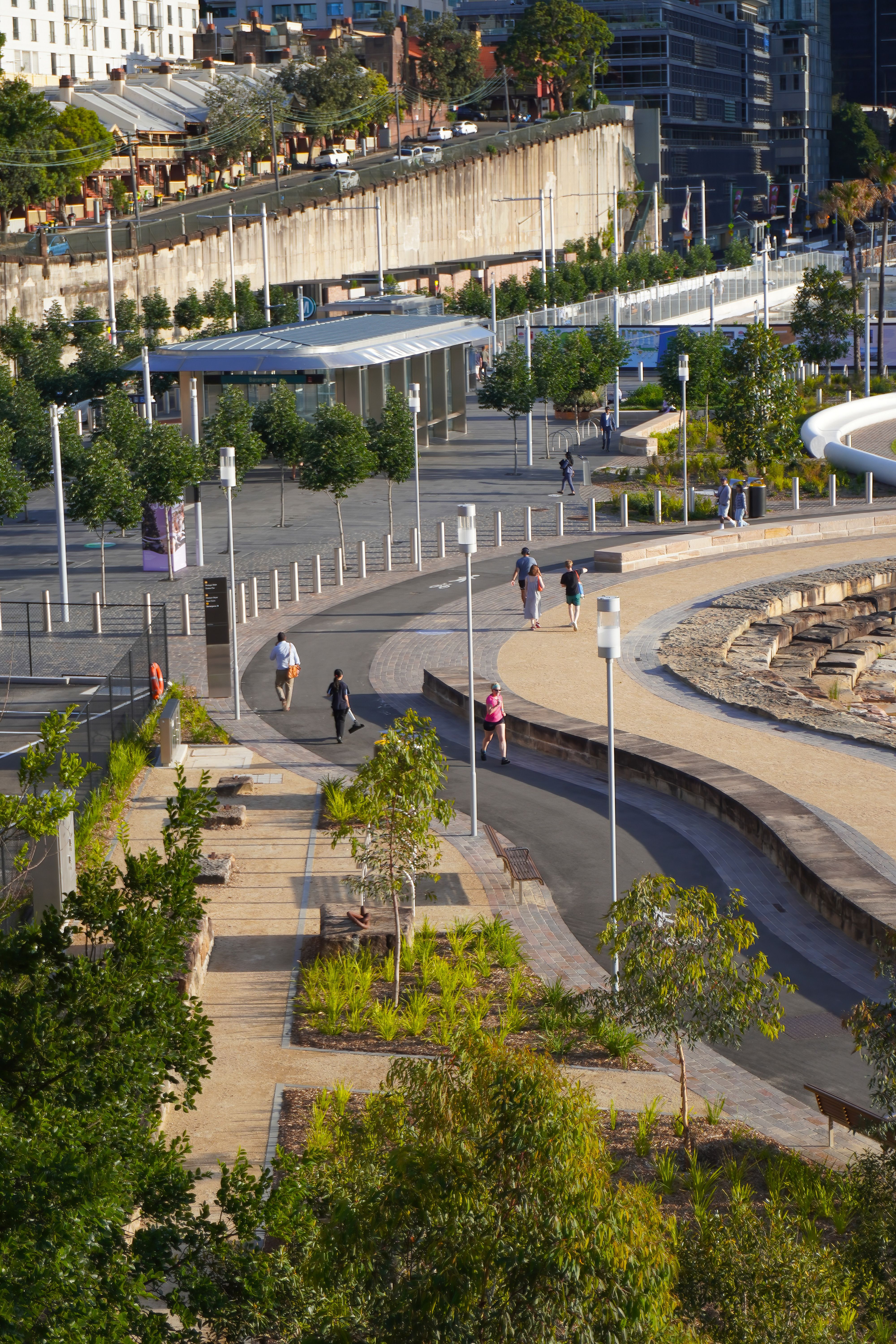
CPTED asks how layout, lighting, access, visibility, territorial definition, activity and maintenance can reduce opportunities for harm. Good sightlines and legible circulation also help first responders understand a place from their vehicles before stepping into an uncertain scene.
Every first responder deserves to go home safely at the end of every shift. Every user deserves a place designed to make that outcome more likely.
Responsible advocacy
The careless answer is yes. The reflexive answer is no. The useful answer is: yes—and here is how we make it work.
Concrete generally performs more quietly than resonant metal ramps. Site-specific sound work should examine distance, grade, barriers, operating hours and existing ambient noise rather than relying on imagination.
Use CPTED, appropriate lighting, clear access, consistent maintenance and programming. Establish a baseline, measure actual incidents and adjust operations when the evidence requires it.
Parking, bicycle access, drop-off space, transit connections, event procedures and neighboring uses should be evaluated before opening—not after a popular facility exceeds expectations.
Setbacks, landscape, lighting, orientation, hours and ongoing communication can address legitimate site concerns. Decisions should be documented, time-bound and based on the conditions of the actual place.
Juliet Dahlgren skateboarding at House Park in Austin. The video begins muted; enable sound to hear her father encouraging her.
What are we building to last?
Public recreation does not exist for an abstract category called “users.” It exists for actual people—often before they know the place was built for them.
Juliet did not need to dress like somebody’s idea of a skateboarder before House Park gave her room to become one. She needed a board, a public place and somebody nearby who believed she could do it.
That is the return on investment. Confidence. Memory. Movement. Belonging. A city becoming part of a childhood—and a childhood becoming part of the city.
Evidence shelf
These sources inform the Built to Last standard. Every proposed site will still require local data, local users and local judgment.
Bring us a serious yes
Bring a site, a concern, a maintenance model, professional expertise, a funding relationship or lived knowledge about how Austin’s public places actually work.