Arrival
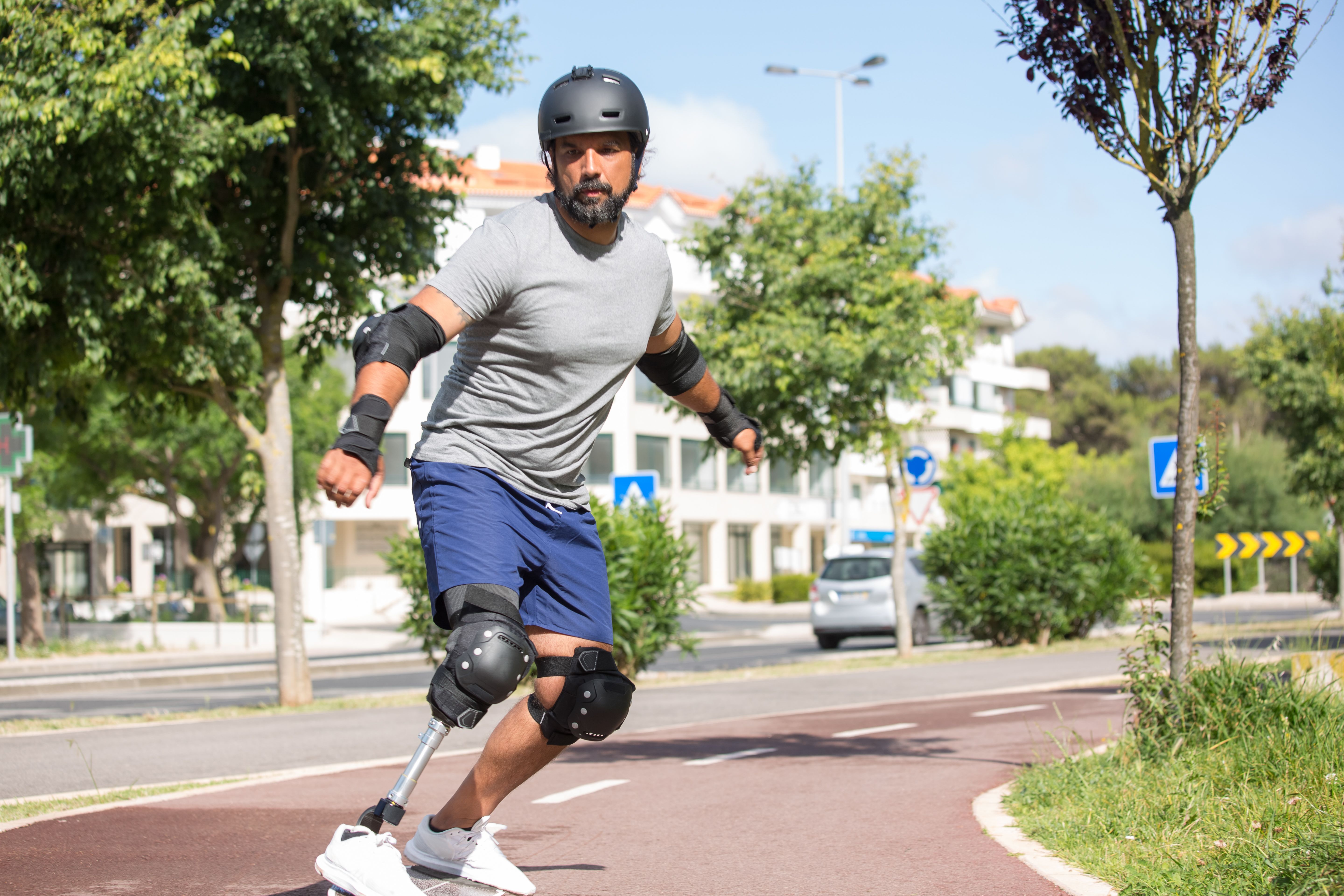
Transportation, drop-off, parking, crossings and the path from the street or transit stop.
SCAMP Austin · Access from the beginning
A place can be technically open and still be difficult—or impossible—to reach, navigate, understand, tolerate or enjoy.
People with disabilities and different needs should influence the work before plans harden, locations are selected and money is spent.
An invitation, not an appointment
SCAMP does not presume that one person can represent every disability, every body or every experience of public space.
We are beginning with a simpler commitment: people whose lives are affected by design decisions should have meaningful influence over those decisions.
That means inviting lived experience into site selection, planning, design, programming, communication, operations and evaluation—not asking for approval after the consequential choices have already been made.
We are not looking for approval after the work is done. We are looking for people willing to change the work while it is still taking shape.
Lived experience is expertise
Codes and standards establish essential minimums. Designers and operators bring professional knowledge. People who navigate the world with different bodies, senses and needs reveal barriers—and possibilities—that plans alone cannot show.
What access can change
Access begins before someone reaches the entrance and continues through participation, rest, communication, safety and the trip home.
Transportation, drop-off, parking, crossings and the path from the street or transit stop.
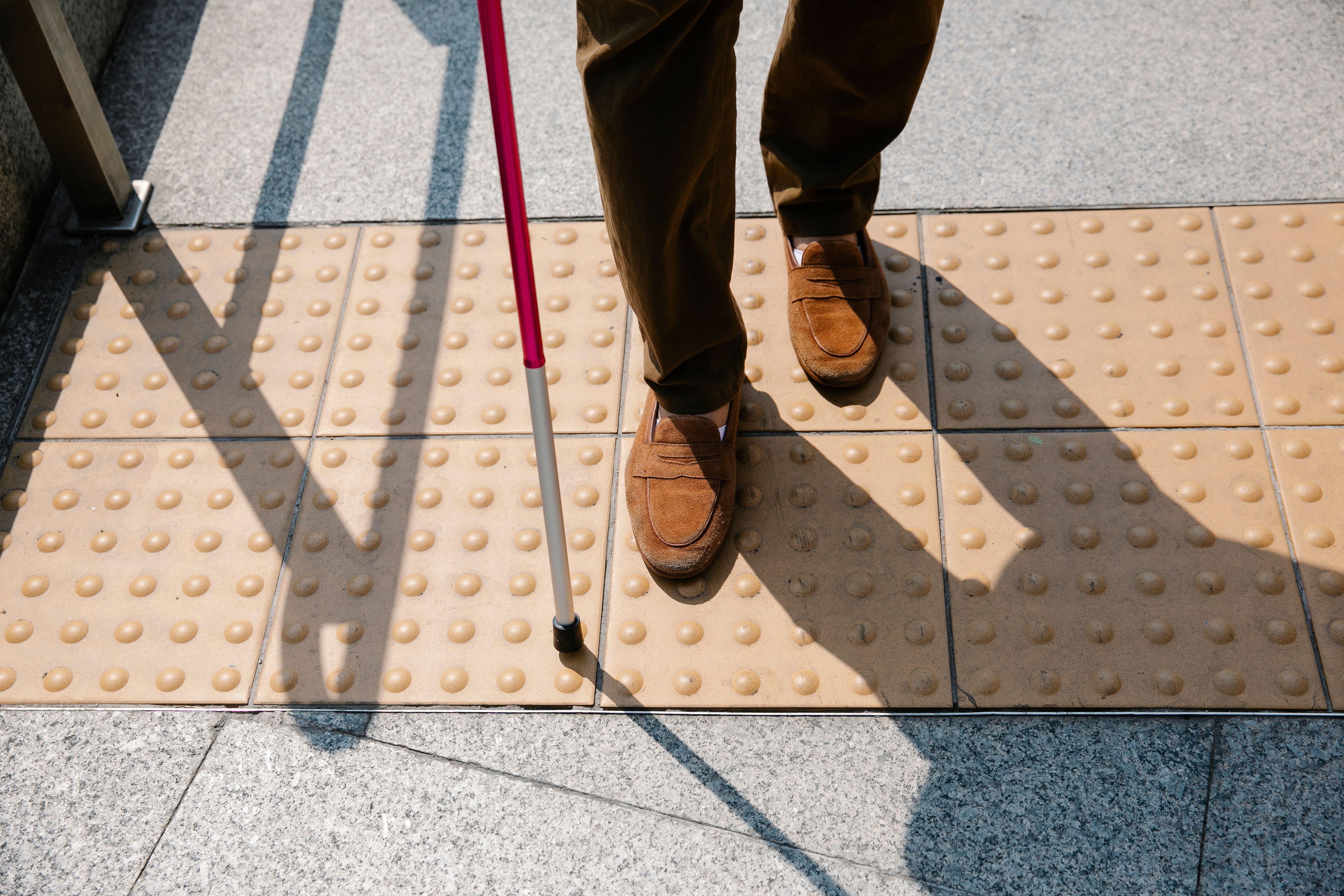
Tactile information, contrast, landmarks, sightlines, signs and routes people can understand.
Surfaces, grades, transitions, clear widths, turning space and places to pause or recover.
Knowing where you are, what is nearby, where hazards begin and how to leave safely.
Sound, light, shade, crowding, temperature and opportunities for quieter participation.
Meetings, websites, documents, signs and public notices people can actually use.
Activities shaped around different abilities rather than one presumed participant.
Keeping accessible routes, features, information and equipment functional over time.
Connected infrastructure
A tactile panel, curb ramp or accessible parking space cannot do its job in isolation. The route must remain coherent from origin to destination.
That is why access belongs in the whole plan. A compliant element that leads into an obstruction, ends without information or disappears during an event is not delivering meaningful access.
Before beauty hardens into concrete
Renderings are persuasive because they make a future feel inevitable. That is precisely when difficult questions still need room to change it.
Who can arrive without assistance? Where does somebody rest? How does a blind visitor know the path has changed? Where can a person step away from noise without being excluded? Can the website, meeting and sign be used by the same public the place claims to welcome?
The point is not to make every person participate in the same way. The point is to design more than one legitimate way to belong.
The whole public
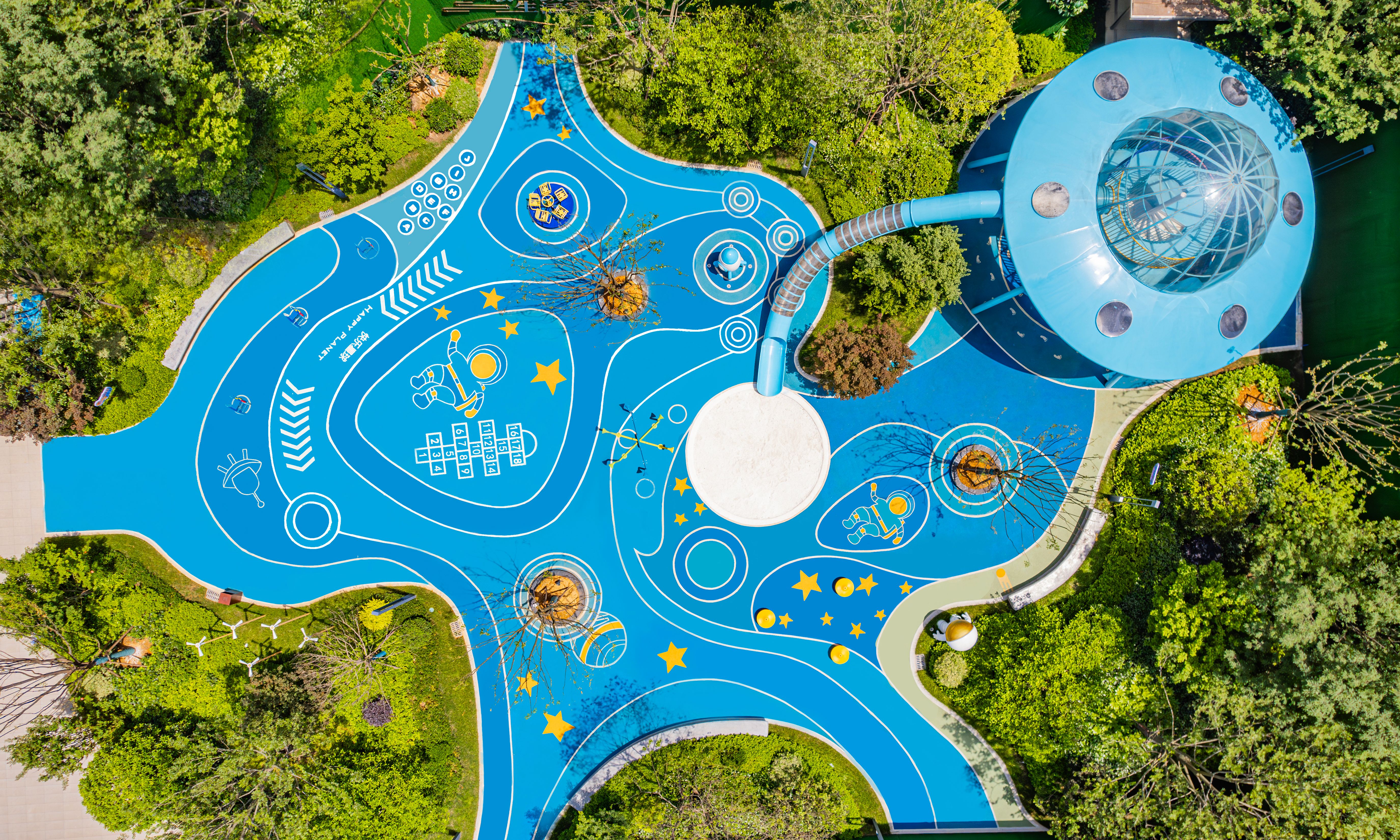
Blind and low-vision neighbors, Deaf and hard-of-hearing neighbors, people with mobility disabilities, neurodivergent people, older adults, caregivers and people with non-apparent disabilities may encounter entirely different barriers.
Those experiences overlap, change over time and resist tidy representation. That is why access requires participation—not assumptions.

Built to Last
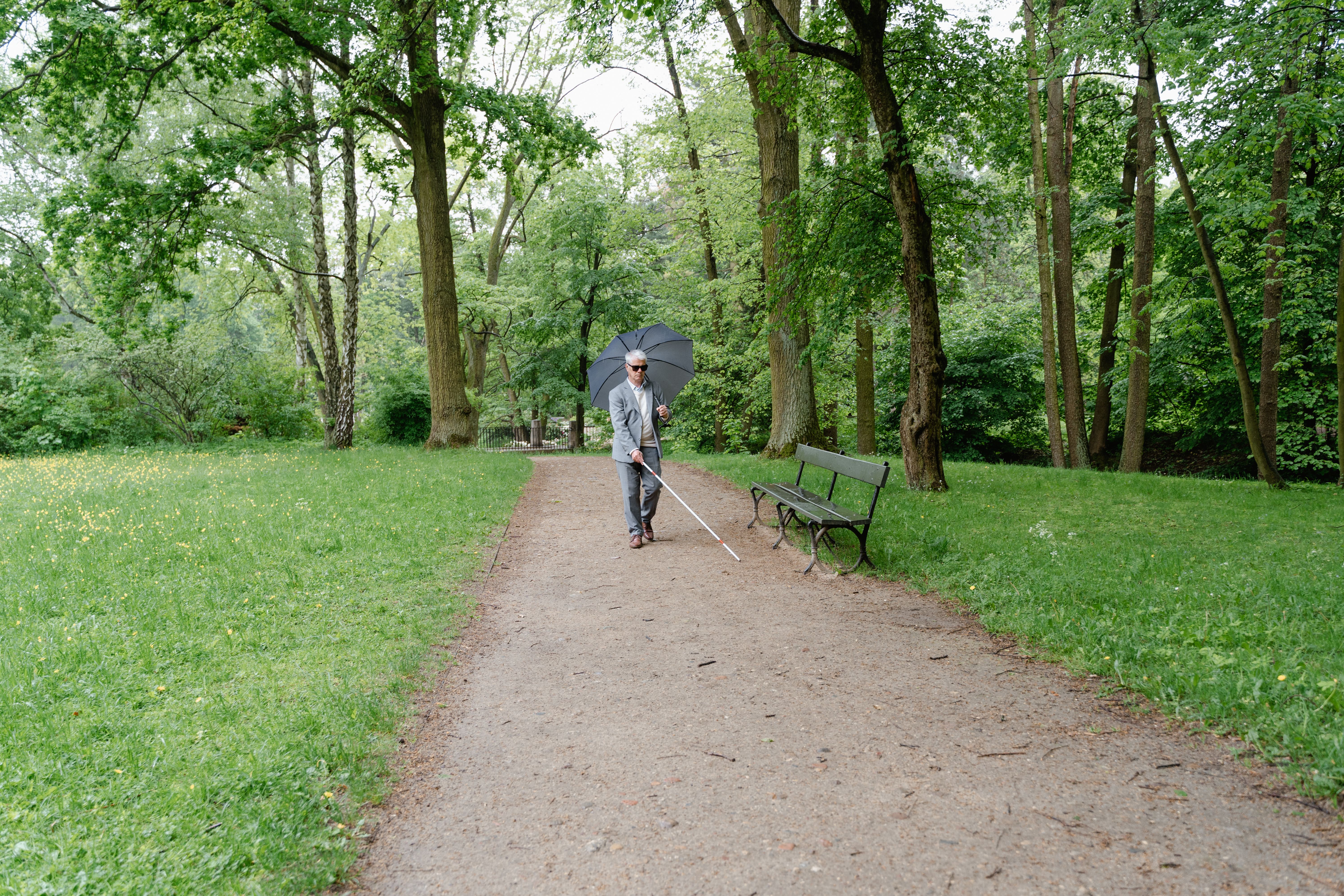
An accessible route that becomes blocked, a tactile marker that receives no maintenance, an accessible feature isolated from the main experience, or information published in an unusable format is not durable access.
Accessibility belongs within design, operations, programming, maintenance and the whole-life cost of a public place.
Starting points
These public resources help establish requirements and shared vocabulary. They do not replace project-specific professional review—or the lived knowledge of the people expected to use the place.
Help us build the way we listen
You do not need to arrive with a policy paper or speak for an entire community. Bring your experience, professional knowledge, questions or willingness to connect SCAMP with people we should know.
We want help examining projects early, improving public engagement, identifying barriers others overlook and evaluating whether completed places work as intended.
This page is a beginning, not a certificate.
If something here is difficult to read, navigate or use—or if our language misses the mark—email [email protected]. Tell us what happened and what would work better.